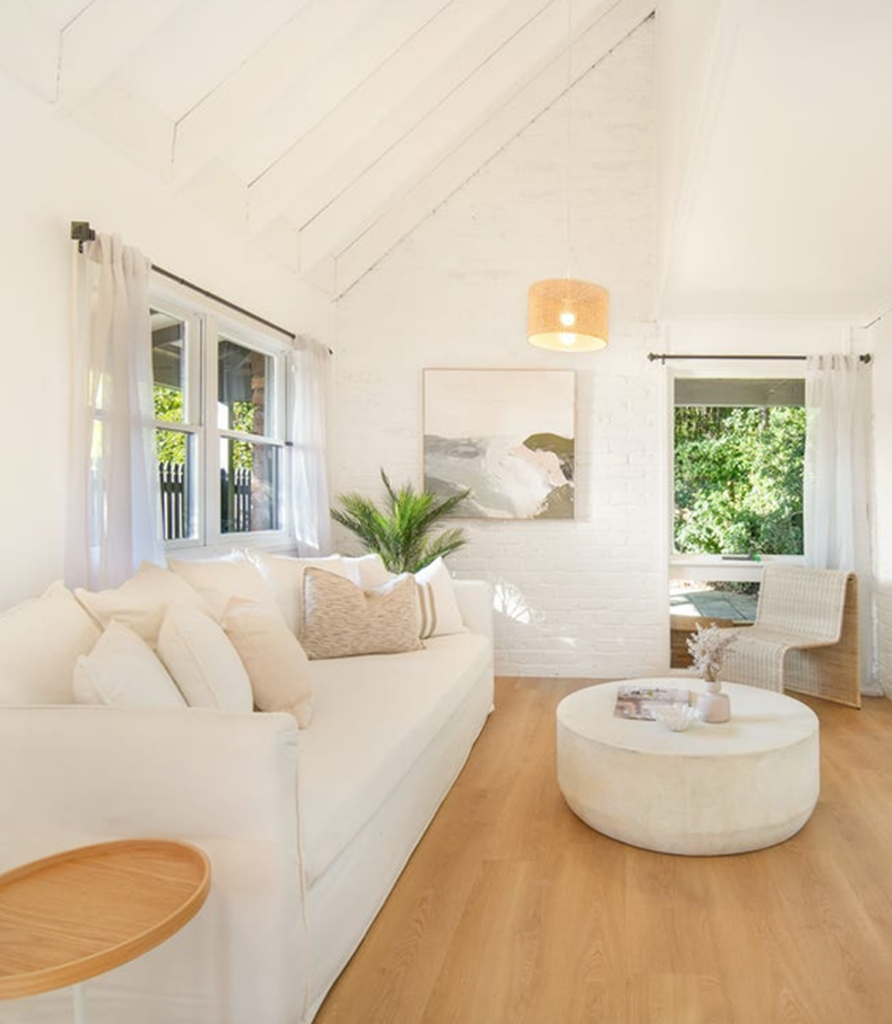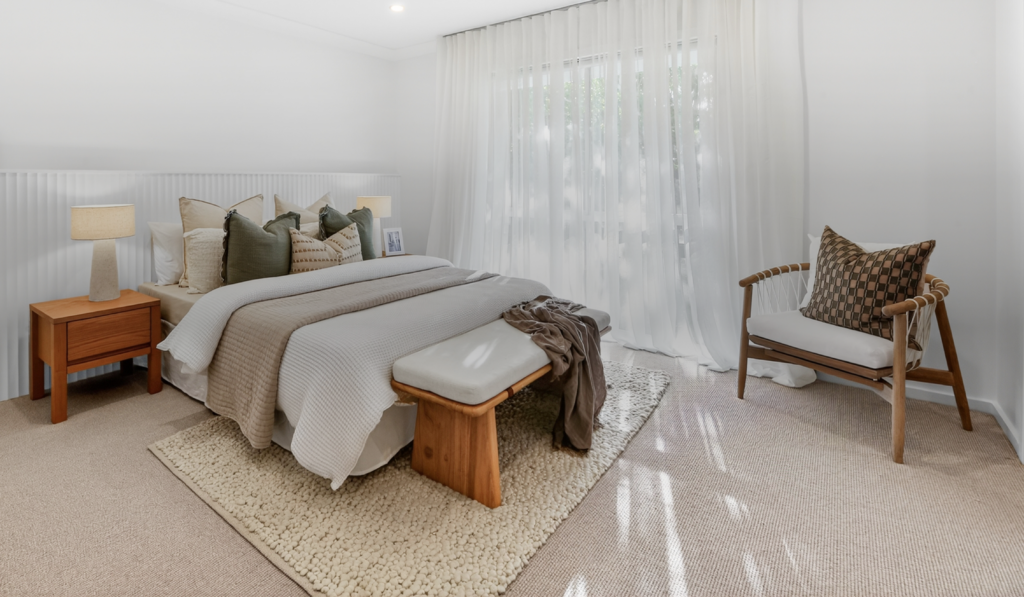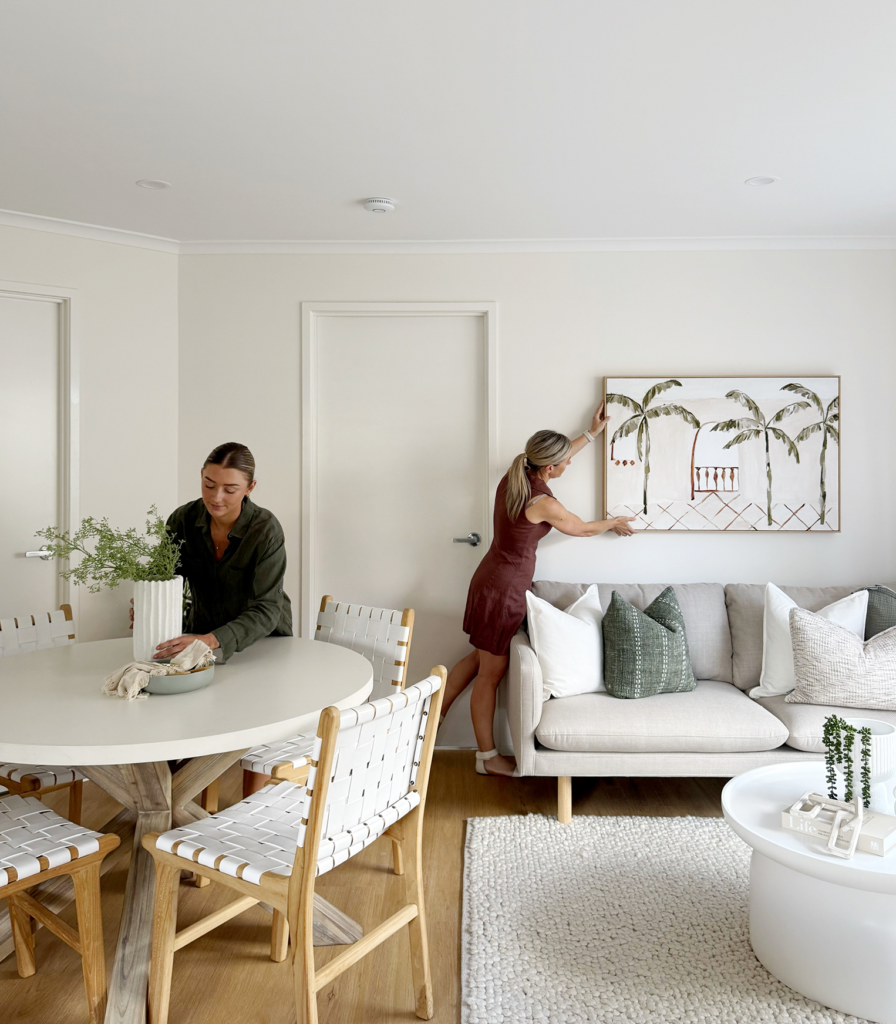
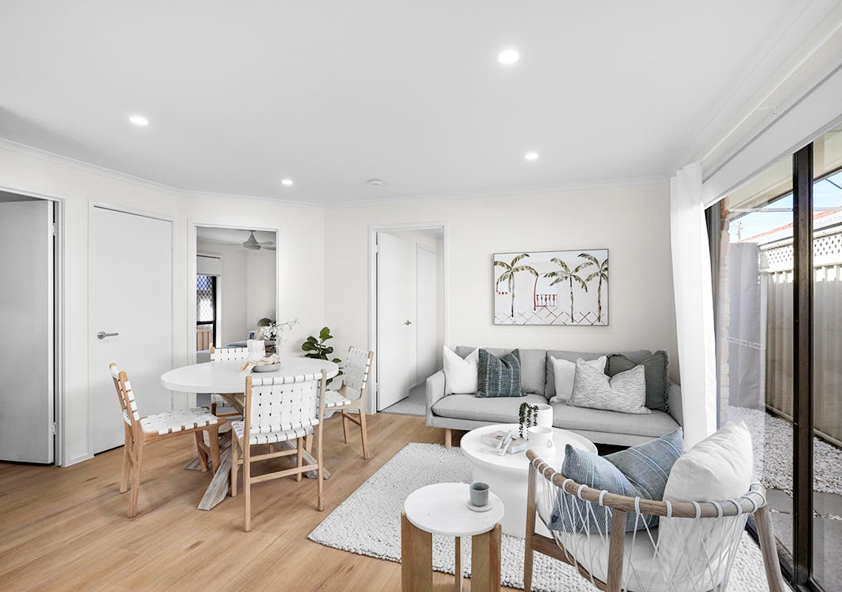
Auction day is brutal. You have one window, one crowd of buyers, and one chance to make the room go up rather than stall. Everything that happens in the four to six weeks before that morning either builds buyer competition or quietly kills it, and presentation does more of the heavy lifting than most vendors realise.
That’s why home staging tips Australia-wide tend to focus on the same handful of fundamentals. They’re not glamorous, but they’re the difference between two bidders and ten. Below are seven of the most common (and most expensive) staging mistakes we see in the lead-up to a sale, and what to do instead so your property campaign actually converts the buyers walking through the door.
1. Styling for Yourself Instead of the Buyer
This is the single biggest mistake we see, and it’s usually invisible to the vendor making it. The home has been loved, lived in, and decorated to your taste over years. The instinct, naturally, is to lean into that personality for the campaign.
The problem is that the buyer at auction isn’t shopping for your taste. They’re shopping for a home they can picture themselves living in. The more specific your styling, the smaller the pool of buyers who can emotionally connect with the space. A good professional stylist neutralises personal choices without making the home feel sterile, leaving just enough warmth for buyers to project their own life onto it.
2. Leaving Too Many Personal Items on Display
Family photos, kids’ artwork, religious items, sports memorabilia, fridge magnets, certificates on the wall. Each one on its own is harmless. Collectively, they tell the buyer that this is your home, not theirs.
Auction inspections work in seconds. Buyers walk through a room, scan it, and either feel “I could live here” or “this is someone else’s place.” Personal items push them firmly into the second category. Pack them away during the campaign and store them off-site if possible. Industry coverage from realestate.com.au’s selling advice hub has consistently flagged depersonalisation as one of the highest-ROI moves a vendor can make.
3. Over-Cluttering Surfaces and Shelving
There’s a fine line between “lived-in and warm” and “visually noisy.” Most vendors land on the wrong side of it. Crowded benchtops, full bookshelves, decorative items stacked on every flat surface, the kitchen appliances all out. It all reads as clutter in photographs and on inspection day.
The rule we use at Niche Design is simple: every surface needs breathing room. Three carefully chosen pieces beat ten random ones every time. The same applies to wardrobes and pantries, which buyers will open at auction inspections. Overstuffed storage signals “this house doesn’t have enough room.”
4. Ignoring Kerb Appeal and the Entrance
The first six seconds of an auction inspection happen before the buyer is inside the house. They happen on the footpath, at the gate, walking up the path, and standing at the front door. If those six seconds are tired, the rest of the inspection is uphill.
Common kerb appeal misses include faded letterboxes, weedy edges, a dirty front door, no styled entry vignette, and lawns that haven’t been freshly cut the day before auction. Data published by Domain’s property news section has repeatedly highlighted that the listing photograph (almost always the exterior or the first room past the entrance) is what determines whether buyers click through, inspect, and ultimately turn up to bid. The exterior isn’t a finishing touch. It’s the headline.
5. Choosing Furniture That Doesn’t Suit the Buyer Demographic
Coastal styling in a Burleigh investor unit doesn’t work the same way as a Hamptons fit-out in a Robina family home. One of the most expensive mistakes vendors make is treating staging as one-size-fits-all, or worse, trying to DIY a look pulled from a Pinterest board that has nothing to do with their actual buyer.
Every property has a likely buyer profile, and that profile should drive the styling brief. A four-bedroom family home needs to feel like a family lives there happily. A coastal investor pad needs to feel effortlessly liveable for short-stay guests. A luxury executive home needs scale, drama, and confidence. Getting this wrong doesn’t just leave money on the table at auction. It quietly tells half the room they’re in the wrong house.
6. Getting the Scale Wrong
Scale is the most technical of all the staging fundamentals, and the easiest to underestimate. Furniture that’s too small makes a room feel cavernous and unfinished. Furniture that’s too big makes a generous room feel cramped. Both make buyers question the floor plan, which is fatal in a market where buyers are already comparing your property to three others they inspected the same morning.
This is one of the strongest arguments for working with a professional stylist over going to the local rental shop. The right styling team measures, plans, and selects pieces specifically to flatter the proportions of each room. If you’re weighing up whether to fully stage or just hit the key rooms, our breakdown of full stage versus partial stage packages walks through how the decision usually plays out.
7. Treating Home Staging as an Afterthought
The final and most common mistake: leaving staging until the last week before the campaign launches. By that point, the photographer is booked, the marketing collateral is half-printed, and there’s no time to do anything other than the bare minimum.
Auction campaigns are won and lost in the build-up. A professionally staged property gives the photographer more to work with, gives the agent stronger marketing material, gives the social media campaign better creative, and gives the buyers walking through the door something to fall in love with. The vendors who get the best results at auction are the ones who treat staging as part of the marketing strategy, not a finishing touch tacked on at the end. Industry guidance from the Real Estate Institute of Australia consistently reinforces presentation as one of the controllable factors that most directly influences sale outcomes.
Frequently Asked Questions
Does home staging really make a difference at auction?
Yes, and the difference shows up in two ways. Staged properties typically attract more enquiries and inspections during the campaign, which means more registered bidders on auction day. More bidders means more competition, and more competition is what pushes the final price up. Presentation doesn’t guarantee a result, but it’s one of the few campaign levers a vendor fully controls.
How long before auction should I start staging?
Ideally, the styling install happens before professional photography, which usually means three to four weeks before the campaign goes live. That gives the stylist time to consult, quote, source the right pieces, and install without rushing. Booking earlier also gives you room to handle pre-listing repairs, cleaning, and any minor renovations without the install date clashing.
Is professional staging worth the cost for a quick auction sale?
For most vendors going to auction, the answer is yes, particularly in competitive markets like the Gold Coast and Northern NSW. The staging investment is typically a small fraction of the eventual sale price, and finance options like Style Now, Pay Later mean nothing comes out of pocket until settlement. The real cost to weigh up isn’t the styling fee. It’s the gap between a styled and unstyled result on auction day.
Can I do my own home staging?
You can, and for some properties it’s a reasonable approach, especially if you have a strong eye and a budget to invest in fresh furniture, art and accessories. The risk is that auction is unforgiving. Buyers are comparing your home directly against professionally presented competition, and a DIY result that’s “almost right” can read as amateur in photos and on inspection day. If the stakes are high, professional styling is usually the safer investment.
What’s the most common staging mistake at auction?
Leaving the home too personal. Family photos, religious items, and highly specific decorating choices stop buyers from picturing themselves in the property. Of all the staging fundamentals, depersonalisation is the cheapest to fix and the one with the most consistent uplift on inspection-day response.
Final Thoughts
None of the seven mistakes on this list is catastrophic on their own. Stack three or four of them together, though, and you’ve quietly subtracted bidders from auction day — bidders you’ll never know you lost. The fix isn’t complicated, but it does need to happen early, with someone who can read the room (literally) and style it for the buyer most likely to fall in love with it.
If you’ve got an auction campaign coming up on the Gold Coast or in Northern NSW and you want the home presented properly before photography day, explore our Style to Sell service or get in touch for a quote. We’ll walk through the property, talk through the buyer profile, and put together a styling plan that works to the auction timeline, not against it.