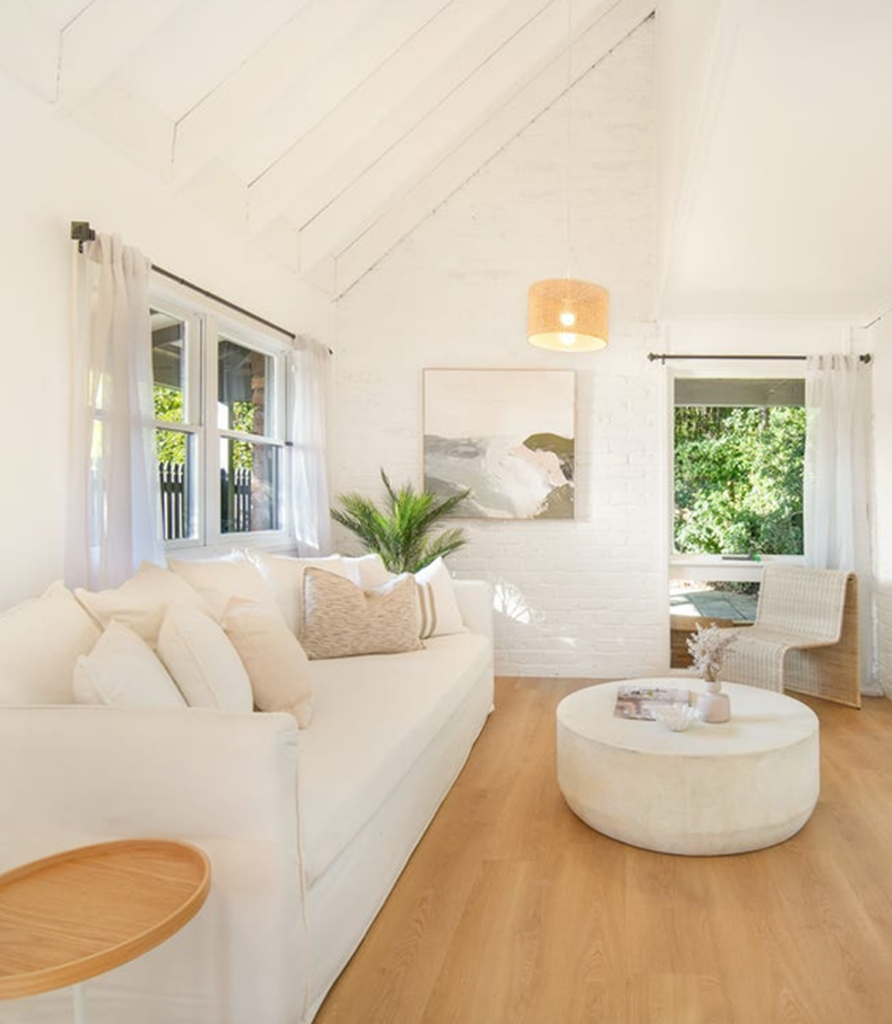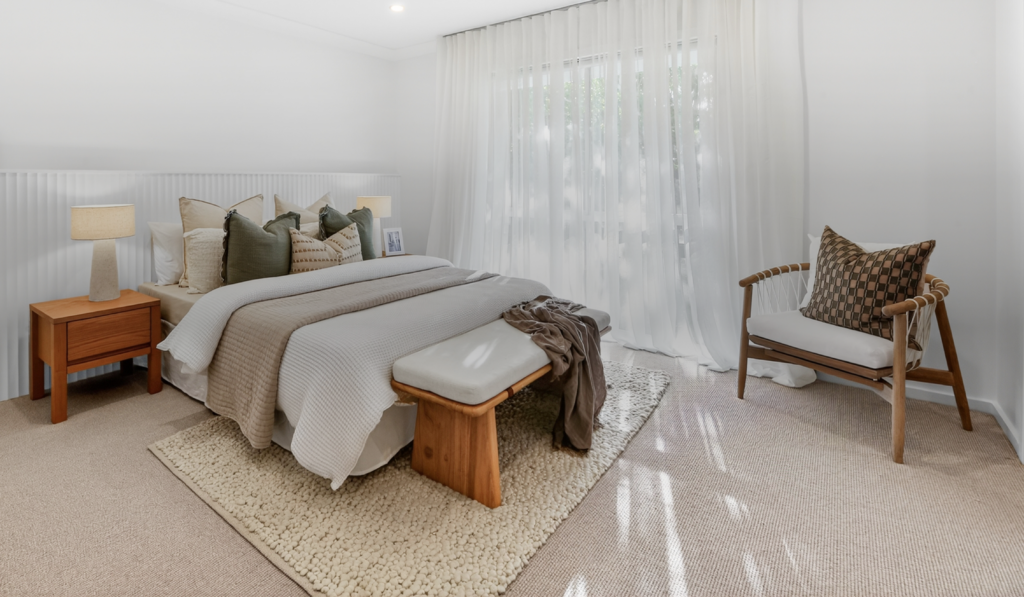

You’ve decided to sell. The agent has been chosen, photography is booked, and the listing is days away. Then someone mentions you should bring in a property stylist Gold Coast vendors trust, and suddenly, you’re wondering what that actually involves. Is it just rearranging the cushions? Renting a few nice pieces? Or is there more going on behind the scenes than most homeowners realise?
The honest answer is that there’s a lot more to it. A good stylist doesn’t just decorate. They prepare your home commercially, emotionally and visually for the buyers most likely to pay a premium for it. Below is exactly what that looks like in practice: every step that happens between your first phone call and the moment your property goes live online.
Why Pre-Listing Styling Matters More Than People Think
Most buyers form an opinion within seconds of seeing a listing. The first photograph in a real estate ad does almost all the heavy lifting, which is why presentation has become such a critical part of any sale campaign. Coverage from realestate.com.au’s advice hub and Domain has consistently pointed to styled homes attracting more enquiries, more inspections and stronger offers than unstyled equivalents in the same market.
That’s especially true on the Gold Coast and across Northern NSW, where buyers are often looking for a lifestyle as much as a property. Empty rooms feel cold. Tired furniture dates a home. Mismatched pieces distract from the architecture. A stylist’s job is to remove every reason a buyer might hesitate and replace them with reasons to fall in love.
Step 1: The Pre-Listing Consultation
The process starts with a walk-through, not a furniture catalogue. A stylist will visit your property to understand the layout, the natural light, the existing furniture, and the kind of buyer the home is likely to attract.
This is also where the conversation about goals happens. Are you chasing the highest possible sale price, or the fastest possible settlement? Is the property a coastal investor target, a young family home, or something more luxe? The answers shape every styling decision that follows.
Step 2: Deciding What Stays, What Goes, and What Comes In
Not every home needs to be fully styled. Some properties just need editing: pulling back on personal items, decluttering surfaces, and rearranging existing furniture. Others need a partial stage to lift key rooms, and some need a full or luxe stage where every space is professionally furnished from scratch.
A stylist will assess each room and recommend the right approach. The deciding factors usually come down to the buyer demographic, the photographer’s brief, the agent’s marketing strategy, and the budget. The goal isn’t to spend the most. It’s to spend strategically, on the rooms that matter most to the buyer.
Step 3: Building the Quote and the Plan
Once the scope is clear, you’ll get a detailed quote. A good stylist won’t bury inclusions in fine print. You should be able to see exactly which rooms are being styled, what’s included in each space, how long the hire period runs, and what happens if your sale takes longer than expected.
This is also the stage where finance options come into play. Many vendors don’t want to fund styling out of pocket before settlement, which is why services like Niche Design’s “Style Now, Pay Later” exist. The styling fee is paid from the sale proceeds rather than up front. It’s a small detail, but it’s a common dealbreaker for sellers who’d otherwise skip styling entirely.
Step 4: How a Property Stylist Gold Coast Sources the Right Pieces
This is the part most people don’t see. Behind every styled home is a warehouse of furniture, rugs, artwork, lamps, linen, accessories and styling props. A stylist’s job is to pull from that inventory and curate a look that suits your specific property, not a one-size-fits-all template.
For a Burleigh apartment, that might mean coastal textures, soft linen, and pieces that lean into the beach lifestyle. For a Hinterland family home, it could be warmer timbers, layered rugs and a more grounded palette. For a luxe Mermaid Beach build, it’s about scale, sculptural pieces, and creating that aspirational display-home feel. The sourcing is what separates a generic stage from a property that genuinely stops the scroll.
Step 5: Coordinating With Your Agent and Photographer
Timing is everything in real estate. The install needs to land just before photography, photography needs to happen before the listing goes live, and the styling needs to stay in place through the campaign and inspections.
Behind the scenes, this means scheduling around tradespeople, cleaners, photographers and your agent’s marketing deadlines. A professional stylist coordinates all of that for you, so you’re not the one chasing five different people the week your home is supposed to hit the market.
Step 6: Install Day
This is the day the property transforms. A styling team arrives with everything pre-planned: the sofa, the bed, the rugs, the dining setting, artwork, lamps, books, vases, throws, the lot. A full stage on a four-bedroom home can take a full day or longer, with multiple stylists working room by room.
Most stylists will recommend you leave the house during install, partly because it’s faster without the homeowner present, and partly because the reveal is half the experience. Walking back into a home you thought you knew, now styled to look like something out of a magazine, is one of the moments good stylists genuinely look forward to delivering.
Step 7: Final Touches and Photography Day
Right before the photographer arrives, the stylist will do a final styling pass. Cushions are fluffed, beds are perfectly made, surfaces are reset, lights are adjusted, and any last details are fixed. Some stylists stay on-site during the shoot to tweak as the photographer moves through the home, making sure each frame looks its best. This level of attention is the difference between photos that look “nice” and photos that actually drive enquiries.
Step 8: Through the Sale Campaign
Styling doesn’t end on photography day. The pieces stay in place for the duration of your campaign, which means open homes, private inspections, and any follow-up photography or video all happen in the styled space. When your property sells, the team comes back to pack everything down, usually after settlement, so the home stays presented through to the final inspection.
Common Mistakes Vendors Make Before Calling a Stylist
A few patterns come up over and over again with sellers who wait too long or try to do styling themselves:
- Book the photographer before the stylist. Photography should always come after styling, not before. Reshooting because the home wasn’t ready is expensive and delays your campaign.
- Half-styling the home. A beautifully styled lounge room next to a tired master bedroom often does more harm than good. Buyers notice the contrast.
- Trying to use existing furniture for everything. Your furniture suits how you live, not how a buyer wants to imagine themselves living. Those are two different briefs.
- Leaving it to the last week. Most stylists book out two to four weeks in advance, especially in spring and summer when the Gold Coast market peaks.
Frequently Asked Questions
How much does a property stylist cost on the Gold Coast?
Pricing varies based on the size of the home, how many rooms are styled, and how long the campaign runs. A partial stage on a smaller property typically sits in the lower thousands, while a full or luxe stage on a larger home runs higher. Most reputable stylists provide a detailed quote after the consultation, and many offer pay-on-settlement options so you don’t need to fund the styling upfront.
How long does property styling take from start to finish?
From the initial consultation to the install day, the process usually runs two to four weeks. The install itself is generally completed in a single day. Styling then stays in place through your entire sale campaign and is removed after the property settles.
What’s the difference between property styling and home staging?
The terms are often used interchangeably in Australia. Both describe the process of preparing a property for sale by furnishing and decorating it to appeal to buyers. “Styling” tends to be the more common term in the local market, while “staging” is used more often in the United States.
Do I need to style my home if it’s already furnished?
It depends on whether your existing furniture suits the buyer you’re trying to attract. Lived-in furniture is often scaled, styled and arranged for everyday life, not for photography or open homes. A stylist can either work with what you have, swap in a few key pieces, or fully restyle, depending on what the property needs.
Is property styling worth it for cheaper homes?
Yes, often more so. The percentage uplift styling delivers is generally consistent across price points, but the relative cost is lower on a smaller property, which can mean a stronger return. Even modest homes benefit from being presented at their best, and data published by sources like CoreLogic consistently shows presentation as a major factor in days on market and final sale price.
Ready to Get Your Home Market-Ready?
Hiring the right property stylist Gold Coast vendors recommend is one of the highest-leverage decisions you can make before listing. The right team takes the pressure off, coordinates the moving parts, and gives your property the best possible shot at the strongest possible result. To see what styling could do for your home, take a look at our recent Gold Coast and Northern NSW projects, explore the full Style to Sell service, or get in touch with the Niche Design team for a no-obligation consultation.